
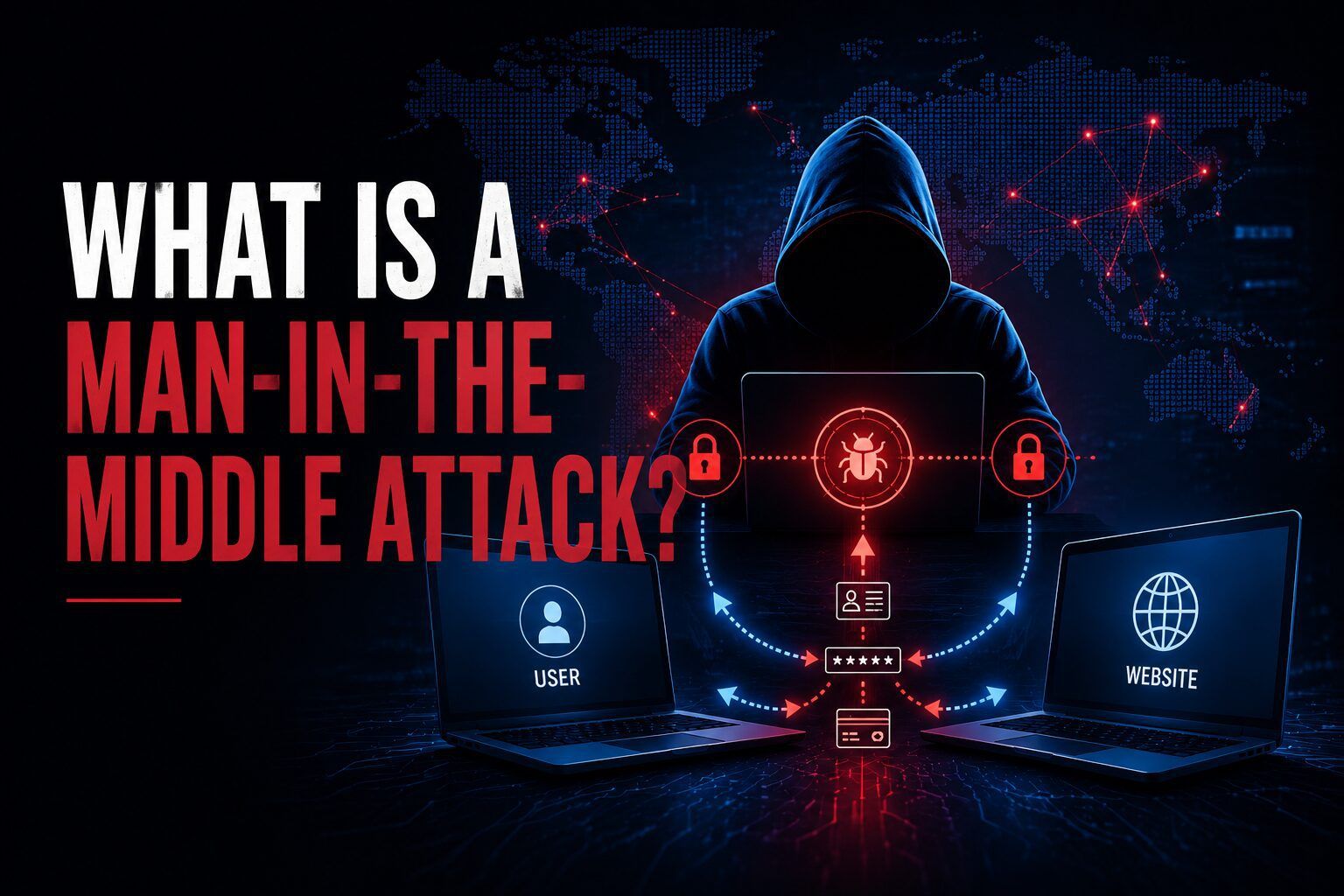
The internet has transformed the way people communicate, shop, and conduct business. While these advancements have created countless opportunities, they have also opened doors for cybercriminal activities. Among the many topics discussed in cybersecurity circles, Ultimateshop and the term Ultimateshop.ru have frequently appeared in conversations about underground cybercrime ecosystems and online fraud.
This article explores the broader context of such networks, how online fraud operations typically function, the risks they pose to individuals and organizations, and the importance of cybersecurity awareness in combating digital crime.
Understanding the Modern Landscape of Online Fraud
Online fraud has evolved significantly over the last two decades. Criminal groups have become increasingly sophisticated, using advanced technology and coordinated networks to exploit vulnerabilities in digital systems.
These operations often rely on stolen personal information, compromised accounts, phishing campaigns, malware infections, and social engineering tactics. The goal is usually financial gain through unauthorized access to sensitive information.
The discussion around Ultimateshop often emerges within this broader cybersecurity context, where researchers and security professionals analyze trends related to cybercrime and digital threats.
How Cybercrime Networks Typically Operate
Cybercrime networks are rarely the work of a single individual. Instead, they often involve organized groups that specialize in different aspects of criminal activity.
Data Acquisition
The first stage typically involves obtaining sensitive information through methods such as:
- Phishing attacks
- Malware infections
- Credential theft
- Data breaches
- Social engineering
Once information is collected, it may be distributed among various actors within the cybercrime ecosystem.
Distribution and Exchange
Criminal networks often rely on hidden communication channels and anonymous technologies to exchange information and coordinate activities. These systems are designed to obscure identities and make investigations more difficult.
Monetization
The final stage involves converting stolen information into financial gain. This may include fraudulent transactions, account takeovers, identity theft, or other illegal activities.
The Growing Threat of Financial Fraud
Financial fraud remains one of the most damaging forms of cybercrime worldwide. Individuals and organizations face significant risks when sensitive information falls into the wrong hands.
Impact on Individuals
Victims may experience:
- Unauthorized transactions
- Damaged credit histories
- Identity theft
- Loss of personal privacy
- Long-term financial consequences
Impact on Businesses
Organizations can suffer:
- Revenue losses
- Reputational damage
- Regulatory penalties
- Customer trust issues
- Operational disruptions
The financial and emotional costs associated with these incidents can be substantial.
Why Cybersecurity Awareness Matters
As cybercriminal tactics continue to evolve, awareness remains one of the strongest defenses against online threats.
Recognizing Warning Signs
Users should remain cautious when encountering:
- Unexpected emails requesting sensitive information
- Suspicious links
- Unverified downloads
- Requests for passwords or financial details
- Urgent messages designed to create panic
Building Safe Online Habits
Developing good cybersecurity habits can significantly reduce risk.
Use Strong Passwords
Create unique passwords for every account and avoid reusing credentials across multiple platforms.
Enable Multi-Factor Authentication
Multi-factor authentication adds an additional layer of protection beyond a password alone.
Keep Software Updated
Regular updates help patch vulnerabilities that cybercriminals may attempt to exploit.
Monitor Financial Accounts
Frequent review of bank statements and account activity can help detect suspicious transactions early.
The Role of Cybersecurity Professionals
Security researchers, analysts, and law enforcement agencies play a critical role in identifying and disrupting cybercrime operations.
Threat Intelligence
Threat intelligence teams monitor emerging cyber threats and provide valuable insights into criminal tactics.
Incident Response
When breaches occur, incident response specialists investigate the cause, contain damage, and help organizations recover.
Public Education
Educational initiatives help individuals understand risks and make informed decisions online.
Understanding References to Ultimateshop.ru
The keyword Ultimateshop.ru is often mentioned in discussions related to cybercrime investigations, threat intelligence reports, and cybersecurity research. Security professionals may analyze references to such domains when studying online fraud trends and criminal infrastructure.
It is important to approach such topics from an educational and defensive perspective rather than viewing them as legitimate business operations. Understanding how cybercrime ecosystems function helps organizations strengthen their defenses and protect users from harm.
The Future of Online Fraud Prevention
Technology continues to evolve, and so do cybersecurity defenses. Artificial intelligence, behavioral analytics, and advanced threat detection systems are increasingly being used to identify suspicious activity before significant damage occurs.
At the same time, cybercriminals continue to adapt their methods, making ongoing vigilance essential.
Emerging Security Trends
Key developments include:
- AI-powered threat detection
- Zero-trust security models
- Enhanced identity verification
- Real-time fraud monitoring
- Improved cybersecurity training
Organizations that invest in these technologies are often better positioned to defend against evolving threats.
Conclusion
Ultimateshop and related terms such as Ultimateshop.ru are frequently discussed within the context of cybersecurity and online fraud research. While cybercrime continues to present significant challenges worldwide, increased awareness, stronger security practices, and ongoing collaboration between researchers, businesses, and law enforcement agencies remain critical in combating digital threats.
Understanding how cybercrime ecosystems operate allows individuals and organizations to make smarter security decisions and reduce their exposure to financial fraud, identity theft, and other online risks.
Frequently Asked Questions (FAQs)
What is Ultimateshop?
Ultimateshop is a term that has appeared in discussions about cybercrime, online fraud, and underground digital marketplaces within cybersecurity research and threat intelligence reporting.
Why is Ultimateshop discussed in cybersecurity communities?
Security researchers often analyze cybercrime-related platforms and infrastructure to better understand emerging threats and criminal tactics.
What is Ultimateshop.ru?
Ultimateshop.ru is a related keyword that may appear in discussions concerning cybercrime investigations, threat analysis, and online fraud monitoring.
How can individuals protect themselves from online fraud?
Using strong passwords, enabling multi-factor authentication, monitoring financial accounts, and staying alert to phishing attempts are among the most effective protective measures.
Why is cybersecurity awareness important?
Awareness helps individuals recognize threats, avoid scams, and reduce the likelihood of becoming victims of online fraud.
What should businesses do to reduce cyber risk?
Organizations should implement security best practices, train employees, conduct regular audits, and maintain incident response plans to strengthen their defenses.