
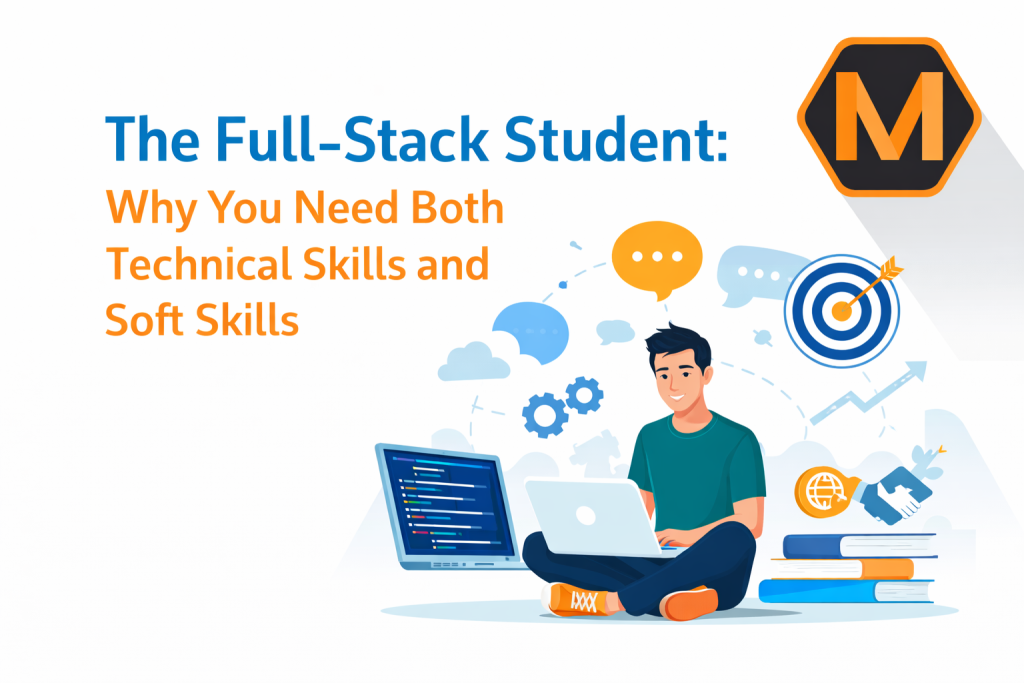
In the world of software development, a “full-stack” developer is someone who can handle everything from the visual interface to the complex database logic behind the scenes. They are highly valued because they understand the big picture. Today, the same concept applies to the modern student. Being a “full-stack student” means more than just getting high marks in your core subjects. It involves a strategic blend of hard, technical knowledge and the interpersonal “soft skills” that allow you to navigate the real world. Whether you are studying engineering, medicine, or business, the ability to balance these two worlds is what separates those who simply graduate from those who truly succeed.
Navigating this dual demand is no easy feat. Between mastering complex software and preparing for public presentations, the workload can become intense. This is why many students rely on a Professional Assignment Writing Service to help them manage the technical side of their studies. By delegating the heavy research and formatting tasks to experts, students free up the mental energy needed to develop their leadership, communication, and emotional intelligence—the very skills that will make them stand out in a crowded job market.
The Hard Stack: Why Technical Skills are the Foundation
Technical skills are the specific, measurable abilities you need to do a job. For a programmer, it’s coding; for an accountant, it’s financial reporting; for a surgeon, it’s anatomy. These are the skills that get your foot in the door. They prove to an employer that you have the competence to handle the “nuts and bolts” of your chosen profession.
Keeping Up with the Digital Shift
In 2026, almost every career has a technical component. A marketing student now needs to understand data analytics. A history student might use digital archives and AI-driven research tools. If you ignore the technical stack, you risk becoming obsolete before you even enter the workforce.
The Logic of Problem Solving
Technical skills teach you how to think in a structured way. When you learn a complex math formula or a chemistry reaction, you are training your brain to follow a logical path to a solution. This mental discipline is a vital part of the full-stack toolkit.
The Soft Stack: The “Operating System” of Career Success
If technical skills are the “hardware,” soft skills are the “software” that makes everything run smoothly. You can be the most brilliant coder in the room, but if you cannot explain your ideas to a client or collaborate with a team, your brilliance will likely go unnoticed.
1. Communication and Persuasion
Writing a report is one thing; presenting it to a room full of stakeholders is another. Full-stack students practice the art of explaining complex ideas in simple terms. This clarity is essential for leadership.
2. Emotional Intelligence (EQ)
The ability to understand your own emotions and those of the people around you is a superpower. In a high-pressure workplace, EQ helps you resolve conflicts, motivate teammates, and handle criticism without losing your focus.
3. Adaptability and Lifelong Learning
The tools we use today might be gone in five years. The most important soft skill is the ability to learn how to learn. Full-stack students stay curious and are always ready to “refactor” their knowledge when the industry changes.
Bridging the Gap: Where the Two Worlds Meet
The magic happens when you combine these two skill sets. Think about a university graduation ceremony or a major corporate event. The organizers have to handle technical logistics, but they also have to master the social graces of the event. For instance, the person chosen to deliver the vote of thanks speech must understand the technical contributions of the team while expressing sincere, human gratitude to the audience. This requires the “technical” knowledge of the event’s facts and the “soft” skill of public speaking and emotional connection.
When you can code a solution and present it with charisma, or analyze a balance sheet and lead a team through a financial crisis, you become an “un-siloed” professional. You are no longer just a specialist; you are a leader.
How to Build Your Full-Stack Profile
Developing both sides of the coin requires a conscious effort. You cannot simply wait for these skills to appear; you have to build them like you would build a muscle.
Treat Every Assignment as a Project
Don’t just look at an assignment as a task to be finished. Look at it as a project to be managed. Practice setting internal deadlines, coordinating with peers (if it’s a group project), and ensuring the final “deliverable” is professional. This builds project management skills alongside your subject knowledge.
Seek Out Public Speaking Opportunities
Join a club, participate in a debate, or volunteer to lead a seminar. The more you put yourself in front of an audience, the less intimidating it becomes. Even if you are a “tech person,” the ability to speak confidently is your greatest career accelerator.
Use the Right Tools for the Job
Just as a developer uses a debugger, a student should use the resources available to them. This includes using professional services to ensure your technical writing is flawless. This allows you to focus on the “human” elements of your education, such as networking and mentorship.
The Myth of the “Introverted Specialist”
There is an old myth that if you are “technical” enough, you don’t need to be good with people. In the modern economy, this is simply false. As AI takes over more of the routine technical tasks—like basic coding or data entry—the “human” skills will become even more valuable. The future belongs to the person who can guide the AI with technical precision and guide the human team with empathy and vision.
Conclusion: Balancing the Load
Becoming a full-stack student isn’t about being perfect at everything. It’s about being “competent” in your technical field and “excellent” in your human interactions. It’s about knowing when to dive deep into the data and when to step back and look at the social impact of your work. By balancing your hard skills with a strong set of soft skills, you ensure that you are ready for whatever the 2026 job market throws at you. You aren’t just a student; you are a versatile, professional-grade solution in a world of complex problems.
Author Bio: Jack Thomas
Jack Thomas is a senior educational strategist and lead consultant at MyAssignmentHelp. With a background in both systems engineering and organizational psychology, Jack has spent over a decade helping students bridge the gap between technical expertise and professional leadership. He is a frequent speaker at career bootcamps and has authored several guides on “Silo-Breaking” for the modern professional. When he isn’t helping students polish their academic work, Jack enjoys practicing Brazilian Jiu-Jitsu, studying cloud architecture, and mentoring young entrepreneurs.