

It’s common for nonprofits and local groups to depend on volunteers who work from different places. These folks might be in different cities, time zones, or even countries, but they all care about the same cause. The problem is getting everyone to work together smoothly on tasks that need good teamwork, clear talks, and quick responses. If there aren’t solid systems in place, people end up doing the same things, key information gets missed, and volunteering becomes a pain.
That’s why nonprofit leaders look carefully at the best project management tools. Their needs go beyond assigning tasks — they must manage shifting schedules, guide volunteers who may be new to digital tools, and maintain accountability. Lark provides that framework, enabling volunteers to feel as if they’re working side by side, no matter the distance.
Coordinating volunteers in real time with Lark Messenger
Volunteers need answers fast, especially when they’re working remotely. Email takes too long, and group chats can get messy if they’re not organized. Lark helps fix this by giving groups special channels for talking where chats stay on topic.
Teams can make channels for different things like campaigns or events. Replies stay grouped together to keep talks organized, and reactions let volunteers quickly say they’ve seen updates. For instance, when doing a virtual fundraiser, one channel can help the marketing people, donation folks, and tech support all talk to each other live. Everyone knows where to go for info, so the event goes well.
Keeping schedules visible with Lark Calendar
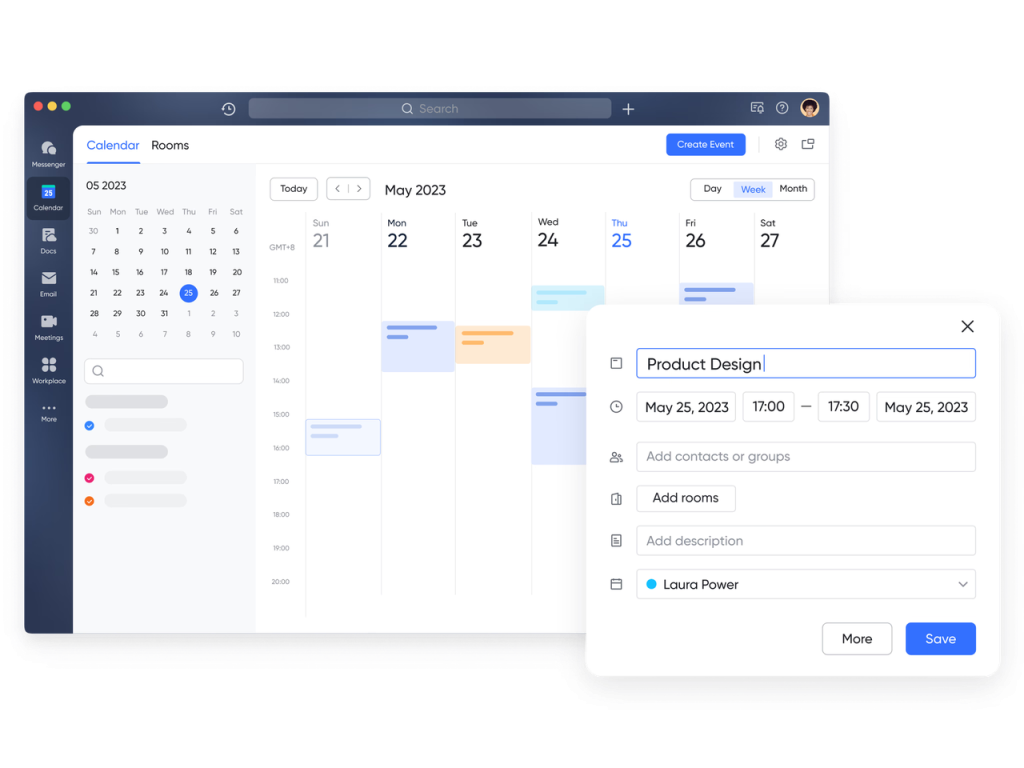
Volunteer jobs usually depend on time. Think about donation dates, town events, training, or getting the word out. If you don’t have everyone on the same page with a calendar, it can get messy. Lark Calendar helps make sure everyone knows what’s going on.
Groups can make calendars together for events, shifts, or plans. If you make tasks in Lark, they pop up on the calendar right away. This helps keep smaller things, like getting supplies ready, linked to bigger goals. Like, say a charity is doing a food drive. They can put the collection dates, volunteer times, and when they’re giving out food on the calendar. That way, everyone knows what they’re doing, and managers can see how everything’s going.
Sharing resources with Lark Docs
Remote volunteers often need to quickly find clear instructions, templates, or resource kits. Sending documents through email or keeping them in different places can cause confusion about which version is the latest. Lark Docs solves this by providing a shared space where materials are kept up-to-date and easy to reach.
Staff can write project summaries, designers can add pictures, and volunteers can leave comments with their thoughts. A version history shows every change made, and permissions limit who can see private files. Take, for example, a public health campaign: one Doc can hold approved messages, poster designs, and scripts for outreach. Volunteers in different areas can all work from the same resource, making sure the campaign is consistent.
Managing sign-offs with Lark Approval
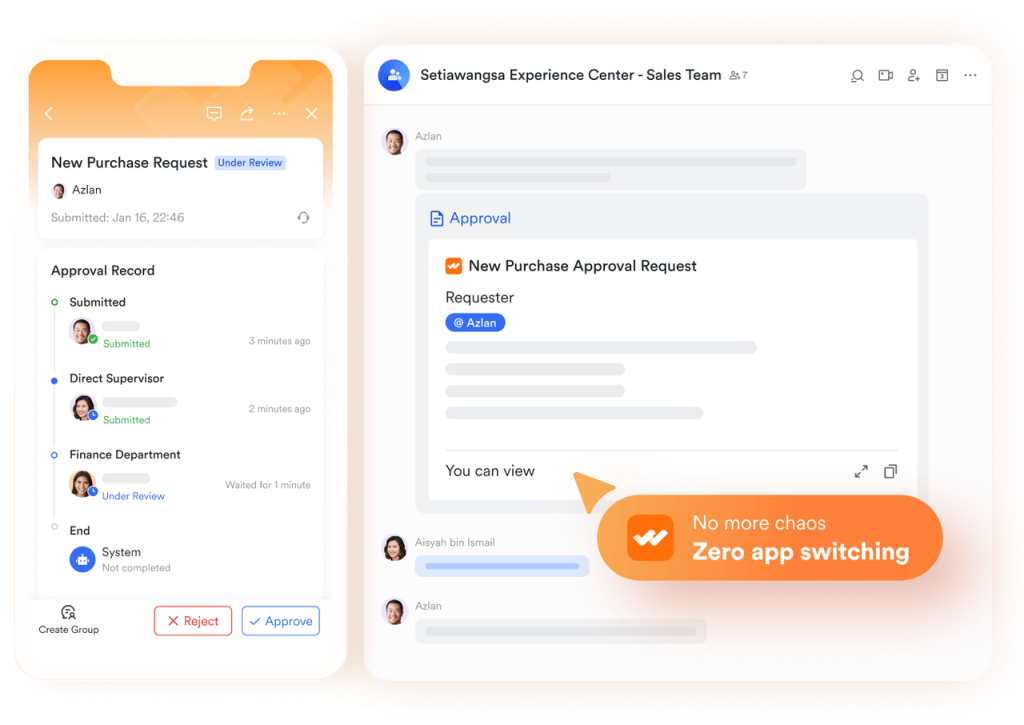
Nonprofits often face approval processes, from reimbursing volunteer expenses to signing off on donation requests or campaign proposals. If approvals are handled manually, delays can discourage volunteers and disrupt programs. Lark Approval streamlines these processes by digitizing requests, reviews, and outcomes.
Volunteers submit their requests digitally, managers review them quickly, and every decision is logged for accountability. This structured process is why Lark can be seen as business process management software. Imagine a volunteer who spends personal funds on supplies for a community event. They submit a reimbursement request through Approval, leadership reviews and approves, and the volunteer is reimbursed promptly. Trust grows, and the volunteer feels valued for their contribution.
Coordinating projects with Lark Base
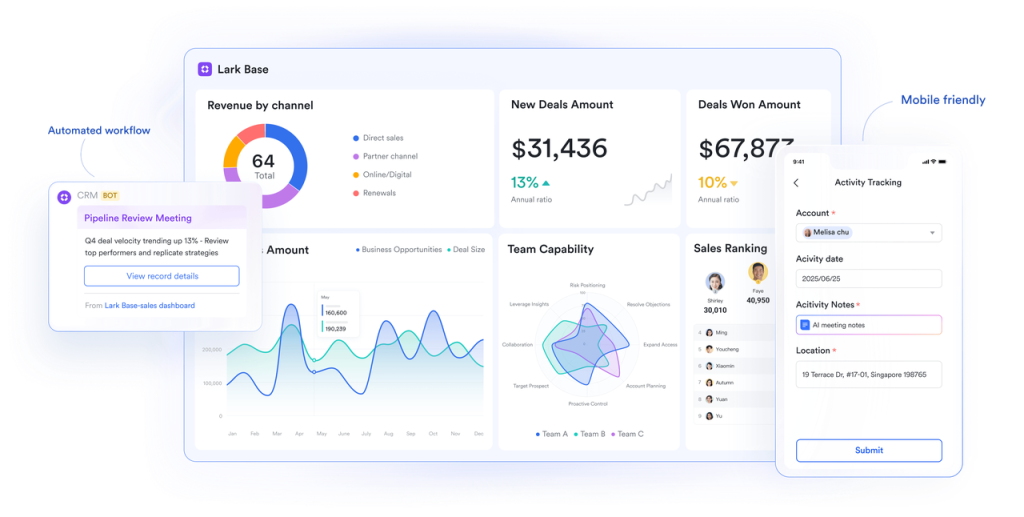
Remote volunteer programs can quickly get messy — multiple campaigns running at once, tasks overlapping, and follow-ups slipping through the cracks. Spreadsheets help for a while, but they rarely keep up when teams grow. That’s where Base inside Lark makes the difference.
With Base, nonprofits can assign tasks, track completions, and organize projects in one shared system. Volunteers see the pieces relevant to them, while managers get oversight of the entire initiative. Automations cut down on manual chasing by sending deadline reminders or updating statuses when tasks are done.
For example, during a global online fundraiser, Base can be used to map campaign milestones, log volunteer hours, and coordinate outreach activities. With the Lark CRM app, these project workflows stay connected to donor and partner relationships — ensuring every action, from sending a thank-you email to running an event, ties back to the bigger mission.
Running check-ins with Lark Meetings
Even with good ways to talk to each other, some talks need everyone working together at the same time. Training volunteers, starting campaigns, or checking on how things are going usually work best when you do them live. Lark Meetings is a place to do these live things, and it makes sure you remember what was decided.
During these talks, notes are made all by themselves and saved in Lark Docs. Also, recordings can be sent through Messenger to those who could not be there. for those who could not be there. For example, when you are bringing in new volunteers, the leaders can do a training thing in Lark Meetings, record it, and then share the notes and the video later. This way, future volunteers can get the same training without needing the trainers to spend more time.
Preserving knowledge with Lark Wiki
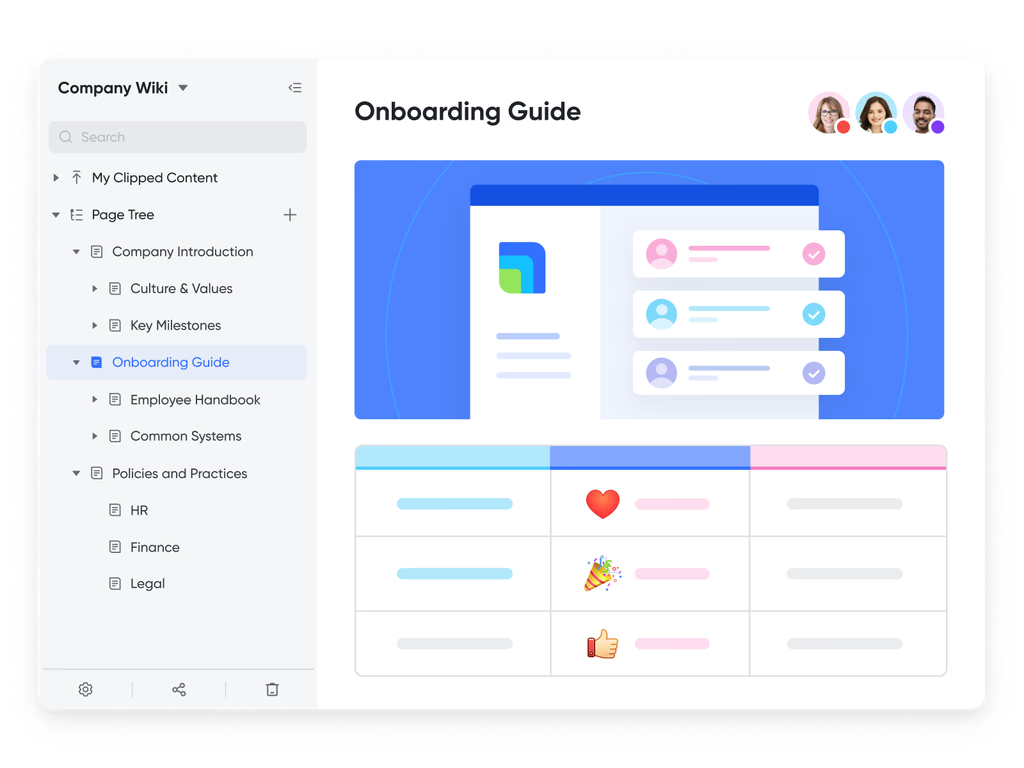
Volunteer programs get better when everyone shares what they know. If there’s no easy way to share information, groups might make the same mistakes over and over or keep bothering staff with the same questions. Lark Wiki fixes this by giving you a place to store important stuff like how to get started, rules, and common questions.
Groups can share guides, past project info, or directions for what volunteers usually do. As time goes on, the Wiki becomes a record of how the group does things. Say a charity is helping after a disaster; they can keep guides on giving help, staying safe, or talking to reporters. Volunteers can look at these guides whenever they want, so they don’t have to ask staff all the time, and things get done faster.
Conclusion
Volunteers want to feel like they’re part of something bigger and connected to each other. With Lark’s tools groups can make it feel like everyone’s working together, even when they’re far apart. Communication becomes fast, resources are easy to find, approvals are simple, and everyone knows what’s going on.
Besides handling day-to-day stuff, nonprofits also gain it when they build better relationships with donors and partners. Many organizations use Lark to keep track of every interaction, whether it’s from volunteers, sponsors, or supporters, so they can keep those relationships strong. However, with Lark as an all-in-one platform, volunteers can easily manage all workflows, from managing relationships to projects.