
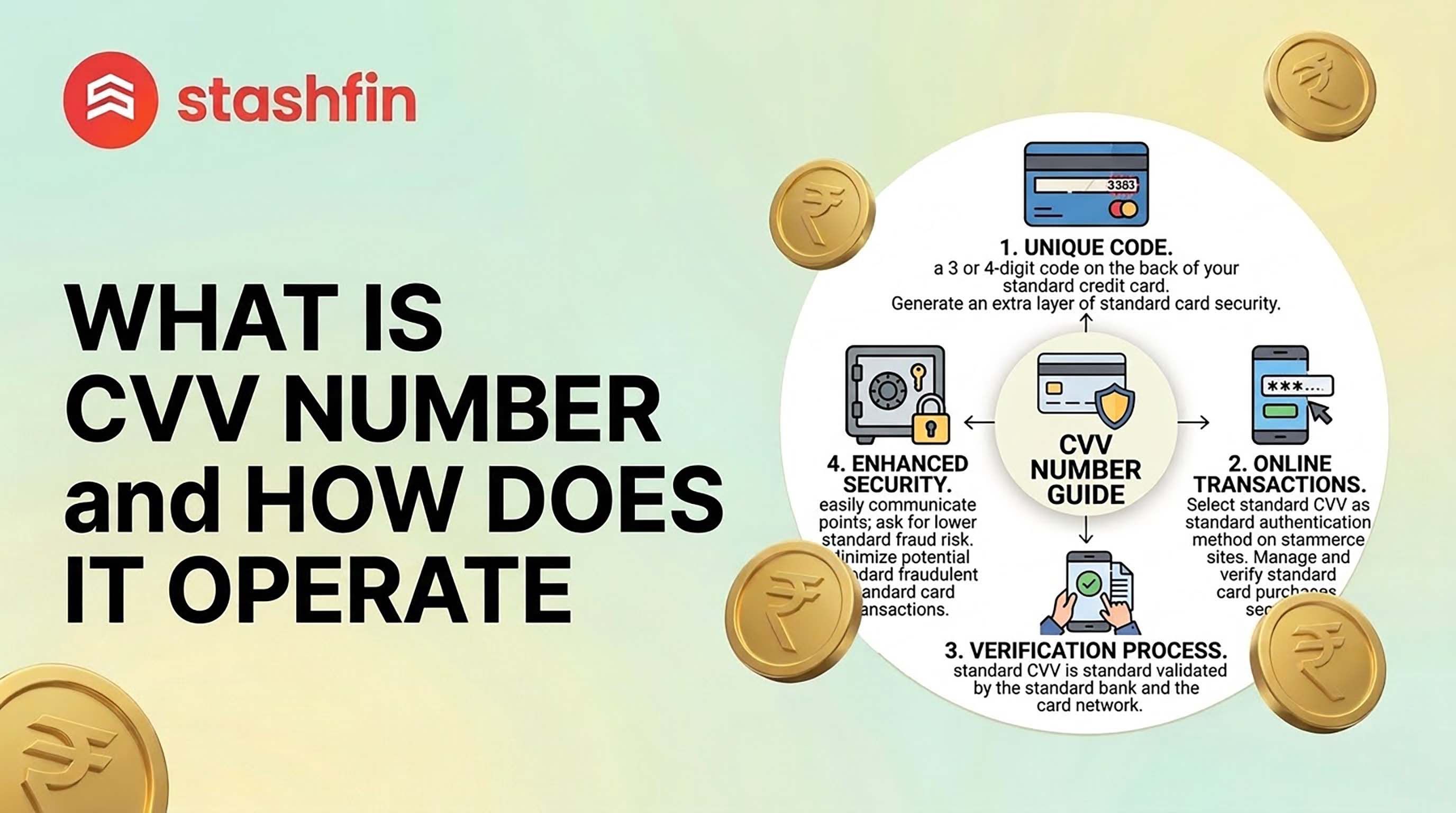
The modern financial landscape has been transformed by digital payments, online shopping, and advanced banking technologies. Consumers now expect fast, authorizecvv secure, and convenient ways to manage their money. As payment systems continue to evolve, security features have become a major focus for financial institutions, businesses, and users.
Terms related to card verification and payment security often appear in discussions about online transactions. One such term is authorizecvv, which is commonly associated with the broader topic of payment verification and protecting financial transactions. Understanding how payment security works, what features modern card systems provide, and how consumers can benefit from secure financial tools is essential in today’s digital economy.
This guide explores the importance of card verification, security practices, and the advantages often associated with premium payment solutions.
Understanding Card Verification and Payment Security
Online transactions require strong security measures because users and businesses exchange sensitive financial information across digital platforms. Unlike traditional purchases where a physical card can be presented, online payments often depend on digital verification methods.
Card verification systems are designed to help confirm that a transaction is being made by an authorized user. These security processes may involve multiple layers, including account verification, authentication methods, and fraud monitoring.
The purpose of these systems is to reduce unauthorized activity and create greater confidence in digital payments.
As cyber threats continue to evolve, financial organizations constantly improve security technologies to protect customers and prevent fraud.
The Importance of Secure Payment Authentication
Authentication plays a critical role in modern financial security. A payment system must determine whether the person attempting a transaction has legitimate access to the account.
Strong authentication methods help protect against risks such as:
- Unauthorized account access
- Payment fraud
- Identity theft attempts
- Suspicious transactions
- Account compromise
Many financial institutions now use multiple verification layers rather than relying on a single security feature.
These layers may include:
- Password protection
- Multi-factor authentication
- Device verification
- Transaction monitoring
- Behavioral analysis
A combination of these technologies creates stronger protection for both consumers and businesses.
Key Features of Modern Payment Security Systems
Modern payment solutions include several features designed to improve safety and convenience.
Advanced Fraud Monitoring
Fraud monitoring systems analyze transaction activity to identify unusual behavior.
For example, security systems may evaluate:
- Transaction frequency
- Spending patterns
- Account activity
- Device information
- Location changes
When suspicious activity is detected, financial providers may request additional verification or temporarily restrict certain actions to protect the account.
Multi-Factor Authentication
Multi-factor authentication has become one of the most important security features in digital banking and payments.
Instead of relying only on a password, users confirm their identity through additional methods.
Examples include:
- Authentication applications
- Security notifications
- Biometric verification
- One-time verification codes
This approach reduces the risk of unauthorized access because attackers need more than just stolen login information.
Encryption Technology
Encryption protects financial information by converting data into a secure format that unauthorized individuals cannot easily understand.
Financial systems use encryption to protect:
- Payment information
- Customer records
- Account communications
- Transaction data
Strong encryption helps ensure that sensitive information remains protected during digital exchanges.
Real-Time Transaction Alerts
Many modern payment systems provide instant notifications about account activity.
Transaction alerts help users quickly identify suspicious activity and take action if necessary.
These alerts may notify customers about:
- New purchases
- Account changes
- Login attempts
- Unusual transactions
Early awareness can significantly reduce the impact of potential fraud.
Premium Card Benefits and Enhanced Financial Services
Premium payment cards often provide additional features designed to improve convenience, security, and customer experience.
While benefits vary depending on the financial provider, premium card services may include:
Higher Security Standards
Premium financial products often include enhanced monitoring and additional security controls.
These features may provide customers with greater confidence when managing larger transactions or using payment services internationally.
Improved Customer Support
Premium cardholders may receive access to specialized customer support services.
Faster assistance can be valuable when users experience:
- Payment issues
- Lost cards
- Account concerns
- Security questions
Reliable support helps customers resolve problems quickly.
Travel and Lifestyle Benefits
Many premium cards offer additional services related to travel and lifestyle.
Possible benefits may include:
- Travel assistance
- Purchase protections
- Exclusive offers
- Reward programs
- Additional service options
These benefits are designed to provide more value beyond basic payment functionality.
Better Spending Management
Modern payment platforms often provide tools that help users understand and manage their spending.
Features may include:
- Spending summaries
- Budget tracking
- Transaction history
- Account management tools
These features help users make informed financial decisions.
Protecting Your Payment Information
Even with advanced security systems, users must take responsibility for protecting their financial information.
Several practices can help improve payment security.
Use Strong Passwords
Users should create strong passwords that are difficult to guess.
Good password practices include:
- Avoiding common words
- Using unique passwords for different accounts
- Updating passwords when necessary
- Avoiding password sharing
Strong passwords reduce the risk of unauthorized account access.
Enable Security Features
Users should activate available security features, including multi-factor authentication and account notifications.
These tools provide additional protection and help detect suspicious activity quickly.
Avoid Suspicious Communications
Cybercriminals often use fake emails, messages, and websites to collect personal information.
Users should be cautious when receiving:
- Unexpected payment requests
- Urgent account warnings
- Unknown links
- Requests for confidential information
Verifying messages before responding can prevent many common scams.
Monitor Account Activity
Regularly reviewing financial accounts helps users identify unusual activity.
Consumers should check:
- Transaction history
- Account notifications
- Payment records
- Security alerts
Quick detection allows users to report problems before they become more serious.
The Role of Businesses in Payment Security
Businesses that process payments have an important responsibility to protect customer information.
Organizations should implement:
Secure Payment Systems
Businesses should use trusted payment technologies with strong security standards.
Data Protection Policies
Clear policies help ensure that customer information is collected, stored, and managed responsibly.
Employee Security Training
Employees should understand cybersecurity risks and follow safe data-handling practices.
Regular Security Improvements
Cyber threats constantly change, so businesses must regularly update their security strategies.
Strong protection requires continuous improvement rather than a one-time solution.
The Future of Secure Payments
The future of payment security will continue to focus on improving both protection and convenience.
Emerging technologies are expected to play a major role, including:
- Artificial intelligence fraud detection
- Biometric authentication
- Digital identity verification
- Advanced encryption methods
- Automated security monitoring
These innovations will help create safer payment environments while maintaining the speed and convenience users expect.
However, technology alone cannot eliminate all risks. User awareness and responsible digital behavior will remain essential.
Building Trust in Digital Financial Systems
Trust is one of the most important factors in the financial industry. Consumers need confidence that their information is protected and that payment systems are reliable.
Strong security practices help build this trust by reducing fraud risks and improving customer experiences.
Financial institutions, businesses, and users all contribute to creating a safer digital payment environment.
Conclusion
The authorizecvv concept represents a broader discussion about payment verification, financial security, and the importance of protecting digital transactions authorizecvv.io . As online payments continue to grow, secure authentication and advanced protection methods have become essential parts of modern financial systems.
Features such as fraud monitoring, multi-factor authentication, encryption, and real-time alerts help protect users from evolving cyber threats. Premium card services can provide additional convenience, security benefits, and enhanced financial management tools.
Ultimately, payment security is a shared responsibility. Financial providers must continue developing stronger systems, businesses must protect customer information, and users must practice safe digital habits.
By combining advanced technology with cybersecurity awareness, consumers can enjoy the benefits of modern payment solutions while reducing the risks associated with digital financial transactions.