
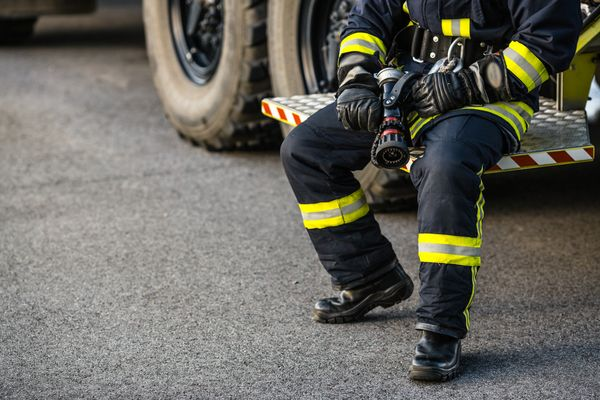
When fire watch guards remain active during system downtime, they provide direct observation across areas where alarms or detection equipment may be unavailable. Their presence helps staff notice smoke, unusual heat, blocked exits, or unsafe conditions quickly. Clear patrol routines can reduce delays while normal safeguards are restored. Reliable protection is strengthened through emergency fire watch Las Vegas coverage when fire safety support is needed.
Maintaining Constant Area Observation
Fire watch guards walk through assigned areas at planned intervals while checking conditions that could signal a developing hazard. They focus on corridors and utility spaces. Storage section entrances and other locations also receive attention. Staff can receive prompt warnings when unusual heat, smoke, sparks, or blocked pathways are noticed. Regular observation also helps keep attention on spaces that automated equipment cannot monitor during an outage.
Supporting Clear Emergency Awareness
During a protection system interruption, quick recognition becomes important. Guards remain alert to signs that could indicate rising risk while keeping communication direct with responsible staff. They can report unusual conditions promptly and help guide people away from affected areas when necessary. Their presence reminds personnel to keep access routes clear.
Guiding Safer Movement Paths
Blocked corridors or restricted exits can create serious problems when normal alerts are unavailable. Fire watch guards check movement routes while noting doors and stairways. Passage areas and emergency access points receive review. Their observations can help staff correct simple hazards before they interfere with an evacuation.
- Open patient pathways remain available for emergency movement during alerts.
- Exit doors stay accessible without unnecessary obstruction during emergencies.
- Smoke or unusual heat receives prompt attention from guards.
- Restricted patient areas remain under regular observation throughout patrols.
- Staff receive clear location details during urgent safety alerts.
Coordinating With Facility Personnel
Strong coordination keeps protective actions organized throughout an interruption. Guards maintain communication with designated staff while sharing observations from their assigned areas. Clear reporting helps responsible teams understand where attention may be needed without creating unnecessary confusion. With emergency fire watch Las Vegas coverage in place, agreed communication methods can help staff respond with greater confidence.
Maintaining Clear Patrol Records
Accurate patrol records help confirm that assigned areas received consistent attention throughout the outage. Guards record patrol times and unusual findings. They note concerns and actions taken by responsible personnel. These details create a reference for reviewing conditions during interruption.
| Area | Patrol focus | Staff response |
| Corridors | Clear passage | Remove obstructions |
| Exit routes | Accessible doors | Keep access open |
| Utility areas | Heat or smoke signs | Report concerns |
| Restricted spaces | Regular observation | Control entry |
Restoring Protection With Care
Normal fire detection equipment should return to operation only after responsible personnel confirms that conditions are suitable. Until then, guards can continue assigned observation based on the established safety plan. Staff should communicate any equipment status changes promptly so patrol duties can be adjusted correctly.
Reliable protection during equipment downtime depends on active observation and clear reporting. Organized routes and steady coordination also matter. Fire watch guards can provide a layer of awareness while normal safeguards are unavailable. Property teams should define patrol areas and reporting duties before interruption. They should also set communication steps and restoration checks. A clear plan can help protect each patient while supporting return to normal operations.
FAQ
Why are fire watch guards needed during system downtime?
They provide direct observation when automatic protection equipment becomes unavailable.
What should guards monitor during a protection system interruption?
They check hazards, pathways, exits, and restricted areas during interruptions.
How does patrol reporting support safer facility operations during outages?
Accurate records help staff understand conditions and coordinate corrective actions.